Coffee & Health
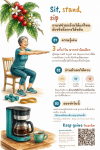
Data on 15,457 Korean adults linked 3 coffees a day to <1% more limb muscle; a 2026 review of 54 studies can't prove cause. Strength training matters more.
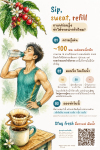
Does coffee dehydrate you? A 16-study meta-analysis: caffeine adds ~109 ml of urine at rest, but the effect nearly vanishes during exercise.
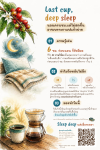
A 2026 review of 32 sleep-EEG studies found caffeine reduces deep-sleep slow waves, even hours before bed — sleep gets lighter though hours look normal.

Yes, black coffee fits a jay diet. But coffee with a meal cut plant-iron absorption by 39% in one study. Drink it 1 hour before meals instead.
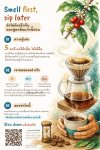
In a 2026 Japanese study, 5 minutes of fresh drip coffee aroma was followed by lower
fatigue and tension in 20 adults. Preliminary, with no control group.
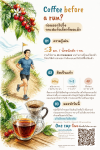
A 2026 meta-analysis of 48 trials found low-dose caffeine (≤3 mg/kg) taken 45–120 min
before exercise improved endurance — about 1–2 cups of drip coffee.
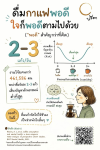
A 461,586-person UK Biobank study finds 2-3 cups of coffee daily linked to the lowest risk of mood and anxiety disorders, while 5+ cups raises stress-disorder risk.
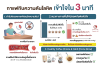
What the research says about coffee and blood pressure: why doctors say skip coffee before a BP check, whether daily coffee causes hypertension, and how much is safe if you already have high blood pressure.
A UK Biobank genetic study found unsweetened filtered coffee—not instant or sweetened coffee—linked to lower HbA1c via a gut bacterium called Veillonella.

A study of 40,725 adults found morning-only coffee drinkers had 31% lower heart disease death risk than non-drinkers.
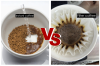
A 2026 UK Biobank study of 49,414 adults found filtered coffee linked to a younger biological age, while instant coffee showed the opposite pattern.
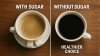
A 2025 study of 43,114 US adults found 1-2 cups of unsweetened coffee daily added 2.02 years of life expectancy. See the full findings and caveats.

A Harvard study of 131,821 people over nearly 40 years found 2-3 cups of caffeinated coffee daily linked to lowest dementia risk. Decaf showed no benefit — here's the important caution.

A new Nature Communications study finds both caffeinated and decaf coffee lower stress, depression, and impulsivity by reshaping the gut microbiome. Here's what the research actually shows.

A 2026 UK Biobank study of 167,142 people found unsweetened coffee lowers cardiovascular risk — sweetened coffee doesn't. Here's what it means for your cup.

AHA confirms moderate coffee intake (3-5 cups/day) lowers risk of heart disease, diabetes, and stroke. Read Preda's plain-language summary of the new statement.

The science behind why coffee cures drowsiness, how caffeine blocks adenosine in your brain, plus the best time to drink coffee so it doesn’t disrupt your sleep

Coffee helps reduce sleepiness because of caffeine, a stimulant that blocks the action of adenosine, a substance that makes us feel sleepy.

มันมีอยู่จริงใช่ไหม? #ค้นหาจุดลงตัวที่สุดระหว่างกลิ่นรสและคุณประโยชน์ต่อสุขภาพของกาแฟSpecialty (ตอนที่1)

มันมีอยู่จริงใช่ไหม? #ค้นหาจุดลงตัวที่สุดระหว่างกลิ่นรสและคุณประโยชน์ต่อสุขภาพของกาแฟSpecialty (ตอนที่ 2)

aroma จากการคั่วนั้นได้จากสารประกอบมากมายหลายชนิด ไม่ว่าจะเป็นกลุ่มที่เกี่ยวกับการเปลี่ยนแปลงของคาร์โบไฮเดรต การเปลี่ยนแปลงของพวก Lipid
