Why Coffee Wakes You Up (And When to Drink It for Sleep)
Last updated: 7 Sept 2026
280 Views
Why Coffee Wakes You Up (And When to Drink It for Better Sleep)
What Is Adenosine, and Why Does Staying Awake Longer Make You Sleepier?
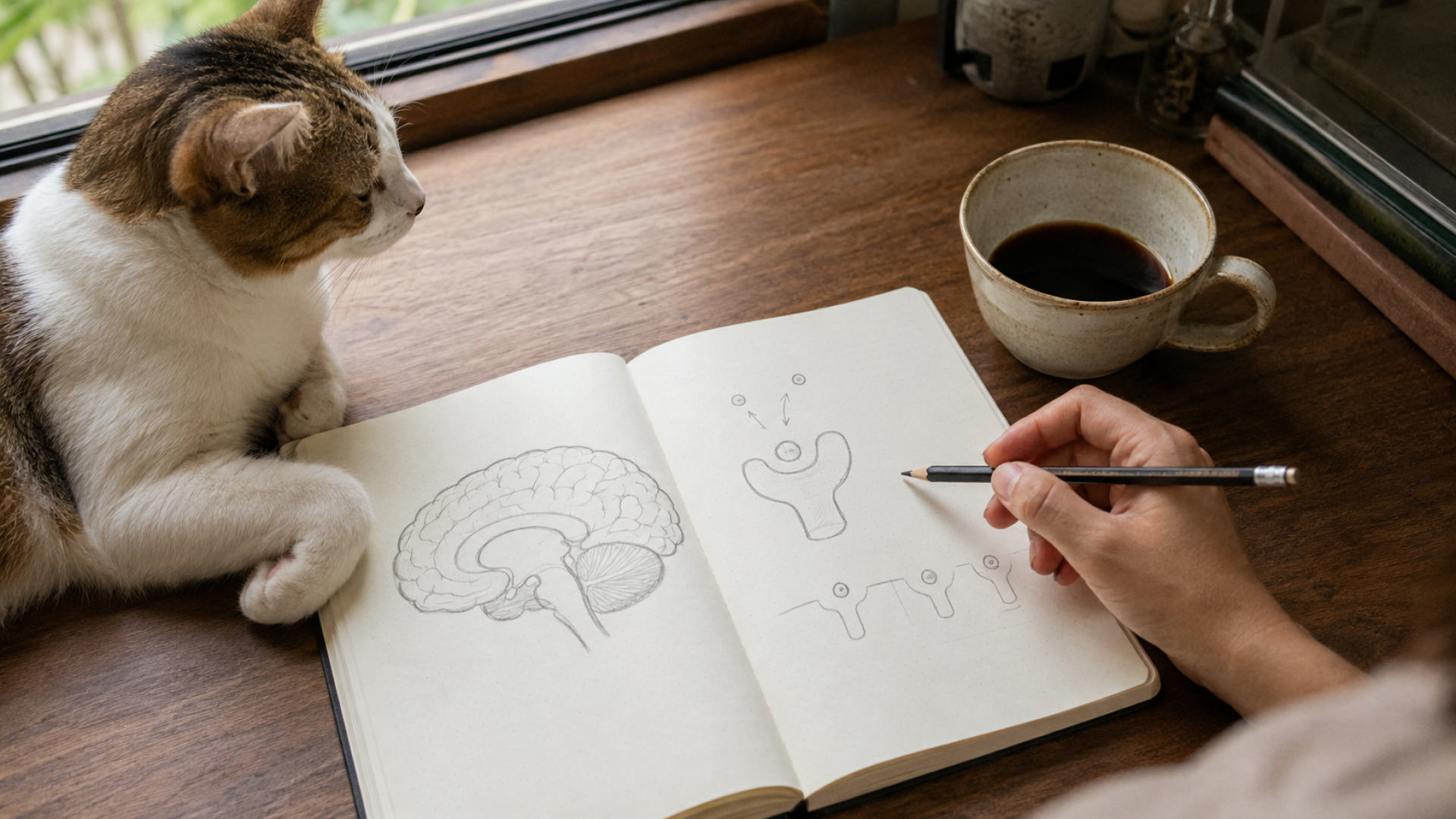
Adenosine is a compound your body produces naturally, acting as the brain’s "drowsiness signal." The longer you stay awake, think hard, or work intensely, the more adenosine accumulates.When adenosine binds to receptors in the brain (A1, A2A receptors), you start to feel sleepy, sluggish, and less focused — your body’s way of signaling that it’s time to rest. Heart rate slows, blood pressure dips slightly, and the body shifts into rest mode.
How Caffeine Tricks Your Brain
Caffeine’s molecular structure is similar enough to adenosine that it can occupy the same brain receptors — without triggering the drowsiness effect. The result: the sleepiness signal gets blocked, the central nervous system becomes more alert, and nerve signaling speeds up.This is why you feel awake and clear-headed about 10–15 minutes after drinking coffee. Once the drowsiness receptors are blocked, the body releases more dopamine (improved mood) and adrenaline (increased alertness). Coffee isn’t just an anti-drowsiness drink — it can genuinely improve performance.
Why Does Coffee Barely Affect Some People, While Others Get Jittery and Can’t Sleep?
It comes down to genetics. Caffeine is metabolized by the CYP1A2 enzyme, whose activity level varies from person to person. Fast metabolizers drink coffee comfortably with little jitteriness. Slow metabolizers hold onto caffeine longer, leading to a racing heart, restlessness, and disrupted sleep. This is why the "right amount" of coffee is different for everyone.The Best Time to Drink Coffee Without Disrupting Sleep
Caffeine’s half-life is roughly 4–6 hours. Even a morning cup can leave 30–40% of its caffeine still in your system by bedtime. Drinking coffee after 4pm carries a real risk of caffeine still being active when you try to sleep, leading to lighter or delayed sleep for some people.The recommended window is 9–11am, when cortisol naturally dips and caffeine tends to work more effectively. Avoid drinking after 3pm to protect your night’s sleep quality.
The Pros and Cons of Caffeine You Should Know
In moderate amounts, benefits include improved cognitive performance and memory (10–15% in several studies), a mild metabolism boost, antioxidants from coffee itself, and some long-term research linking coffee consumption to a lower risk of conditions like Parkinson’s and Alzheimer’s.In excess, drawbacks include a racing heart, anxiety, difficulty sleeping, increased stomach acid, and a growing dependency that makes you feel drowsy without it. The recommended daily intake is 200–300mg of caffeine, roughly 1–2 cups of coffee, and no more than 3.
Frequently Asked Questions (FAQ)
Q1. How long does caffeine stay in your system?
Caffeine has a half-life of roughly 4–6 hours — meaning about half of what you drank is still in your body 4–6 hours later.
Q2. How many cups of coffee a day is safe?
The recommended daily intake is 200–300mg of caffeine, roughly 1–2 cups of coffee, and no more than 3.
Q3. Why does coffee barely affect some people but make others jittery?
It depends on genetics — specifically, how active your CYP1A2 enzyme is at metabolizing caffeine. Slow metabolizers feel the effects more strongly and for longer.
Q4. Is it okay to drink coffee on an empty stomach?
If you have a sensitive stomach, it’s best to avoid it — caffeine can increase stomach acid. Eating a small snack first is recommended.
Q5. What time should I stop drinking coffee to protect my sleep?
Avoid drinking after 3pm. Since caffeine’s half-life is about 4–6 hours, it can still be active in your system by bedtime.


Tags :
Related Content

แถมภาพ'สาร'กาแฟ Moldy หรือติดราเป็นเรื่องเป็นราวแล้วให้ดูกันเล่นๆด้วย...แต่มันก็ไม่ใช่เรื่องเล่นๆเนอะ

A new Nature Communications study finds both caffeinated and decaf coffee lower stress, depression, and impulsivity by reshaping the gut microbiome. Here's what the research actually shows.

เค้าใช้หลักการวิทย์อะไรบ้างนะ? CoffeeBrewing #Scienceวิทยาศาสตร์เบื้องหลังของการชงกาแฟ
