Does Filtered Coffee Lower Blood Sugar? What the Gut Bacteria Study Found
Filtered Coffee and Blood Sugar: Why How You Brew Matters More Than You Think
A large genetic study (Mendelian randomization) using UK Biobank data found that among six coffee-drinking patterns tested, only unsweetened filtered coffee showed a causal association with lower HbA1c (long-term blood sugar). The mechanism traces back to a gut bacterium called Veillonella, which filtered coffee helps increase, and which produces an acid that improves the body's insulin sensitivity. Instant coffee, coffee with milk, and sweetened coffee showed no such effect.
Why Is This Study More Reliable Than Typical Coffee Research?
Most coffee-and-health research is observational: researchers ask a group of people how much coffee they drink, then look at health outcomes. The problem is that this design can't cleanly separate cause from effect — someone who drinks less coffee might already be sick for unrelated reasons, not sick because they drink less coffee.
A research team from the School of Nursing at Peking University used a different method called Mendelian randomization, which relies on genetic data instead of self-reported habits. This approach reduces the reverse-causation problem that plagues typical observational studies. They drew on UK Biobank data covering roughly 500,000 people, paired with gut-microbiome genetic data from the MiBioGen consortium covering about 18,000 people.
The team tested six coffee-drinking patterns: filtered coffee, instant coffee with milk, filtered coffee with milk, coffee with added sugar, coffee with artificial sweetener, and decaffeinated coffee. Only unsweetened filtered coffee showed a statistically significant causal association with lower HbA1c (Odds Ratio 0.97, 95% CI 0.94–0.99). The number itself is modest, but what's notable is that brewing method alone made a difference none of the other patterns showed.
What's the Mechanism? One Specific Gut Bacterium
We've covered before, in an article about filtered coffee and biological aging, how a paper filter acts like a gatekeeper — letting antioxidants like chlorogenic acid and polyphenols pass through into the brew while trapping oily diterpenes (like cafestol) that are linked to blood cholesterol. This new study suggests a similar filtering effect reaches further, all the way to gut bacteria.
Researchers found that filtered coffee was genetically associated with a higher abundance of a bacterium called Veillonella, which produces propionic acid — a compound linked to improved insulin sensitivity, meaning the body manages blood sugar more efficiently. In mediation analysis, Veillonella accounted for about 43% of filtered coffee's benefit to HbA1c.
That's why black filtered coffee stands apart from other coffee styles in this study — not because of caffeine content, but because of which compounds the paper filter lets through, and how those compounds happen to feed a bacterium that's friendly to blood sugar control.
Why Might Adding Sugar Cancel Out the Benefit?
In the same dataset, adding sugar showed a negative association with Veillonella abundance, though the result sat right at the edge of statistical significance (p=0.05). It's suggestive rather than conclusive, but it raises the possibility that sweetening coffee may undercut what unsweetened filtered coffee does well on its own.
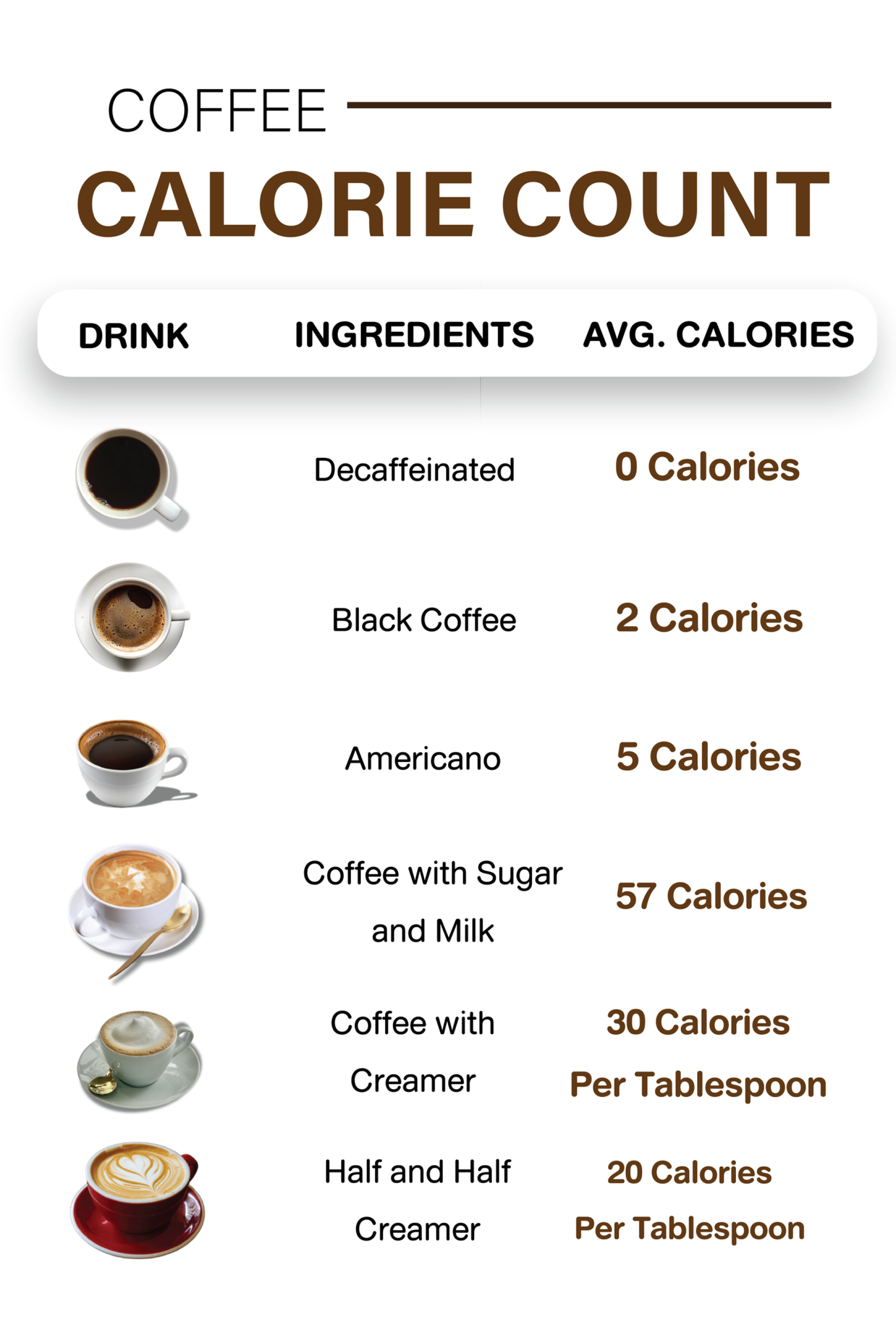
So if the goal is the effect this study points to, unsweetened filtered coffee is the pattern the research most clearly supports. Coffee with milk, meanwhile, showed no significant association either way.
What to Keep in Mind Before Concluding Filtered Coffee Controls Diabetes
The effect size found (Odds Ratio 0.97) is statistically modest — it's not a number that suggests filtered coffee will dramatically lower blood sugar. And while Mendelian randomization reduces the reverse-causation problem better than typical observational studies, the researchers themselves describe the Veillonella mechanism as "plausible" rather than experimentally proven through human trials.
Another caveat: the sample is drawn almost entirely from people of European ancestry in the UK Biobank, so the findings may not translate directly to Thai physiology or genetics. Most importantly, this research does not suggest filtered coffee can replace diabetes treatment — anyone managing diabetes should continue following their doctor's guidance. Coffee is one piece of the overall health picture, not a shortcut.
Frequently Asked Questions (FAQ)
Q1. Does filtered coffee definitely lower blood sugar?
Not conclusively. This study used large-scale genetic data and found a real causal association, but the effect size is modest, and no human trial has yet tested giving people filtered coffee and directly measuring the outcome.
Q2. Why doesn't instant coffee show the same benefit?
Instant coffee doesn't go through the same paper-filtering process as drip coffee, so its compound profile differs. The study found no significant association between instant coffee and lower HbA1c.
Q3. Does adding milk or sugar to filtered coffee cancel the benefit?
Adding sugar showed a negative association with Veillonella abundance, though the result was borderline statistically significant. Coffee with milk showed no significant association either way. Unsweetened filtered coffee is the pattern this study most clearly supports.
Q4. Can someone with diabetes drink filtered coffee instead of following their treatment?
No. This research does not suggest filtered coffee can replace diabetes treatment. Anyone managing diabetes should continue following their doctor's guidance.
Q5. How reliable is this study?
It was published in npj Science of Food and used Mendelian randomization, a method that reduces reverse-causation issues better than typical observational studies. However, the sample is drawn almost entirely from people of European ancestry, so it's unclear whether the same results would hold for a Thai population.
References : Cao, Z., An, Y., Du, Y., Xu, G., Wang, J., & Lu, Y. (2025). "Different coffee consumption patterns affect HbA1c via propionic acid-producing gut microbiota." npj Science of Food. DOI: 10.1038/s41538-025-00655-w (Author Correction published 2026, DOI 10.1038/s41538-026-00834-3).