Unsweetened Black Coffee Cuts Heart Disease Risk by 19%
Does Unsweetened Black Coffee Really Lower Heart Disease Risk?
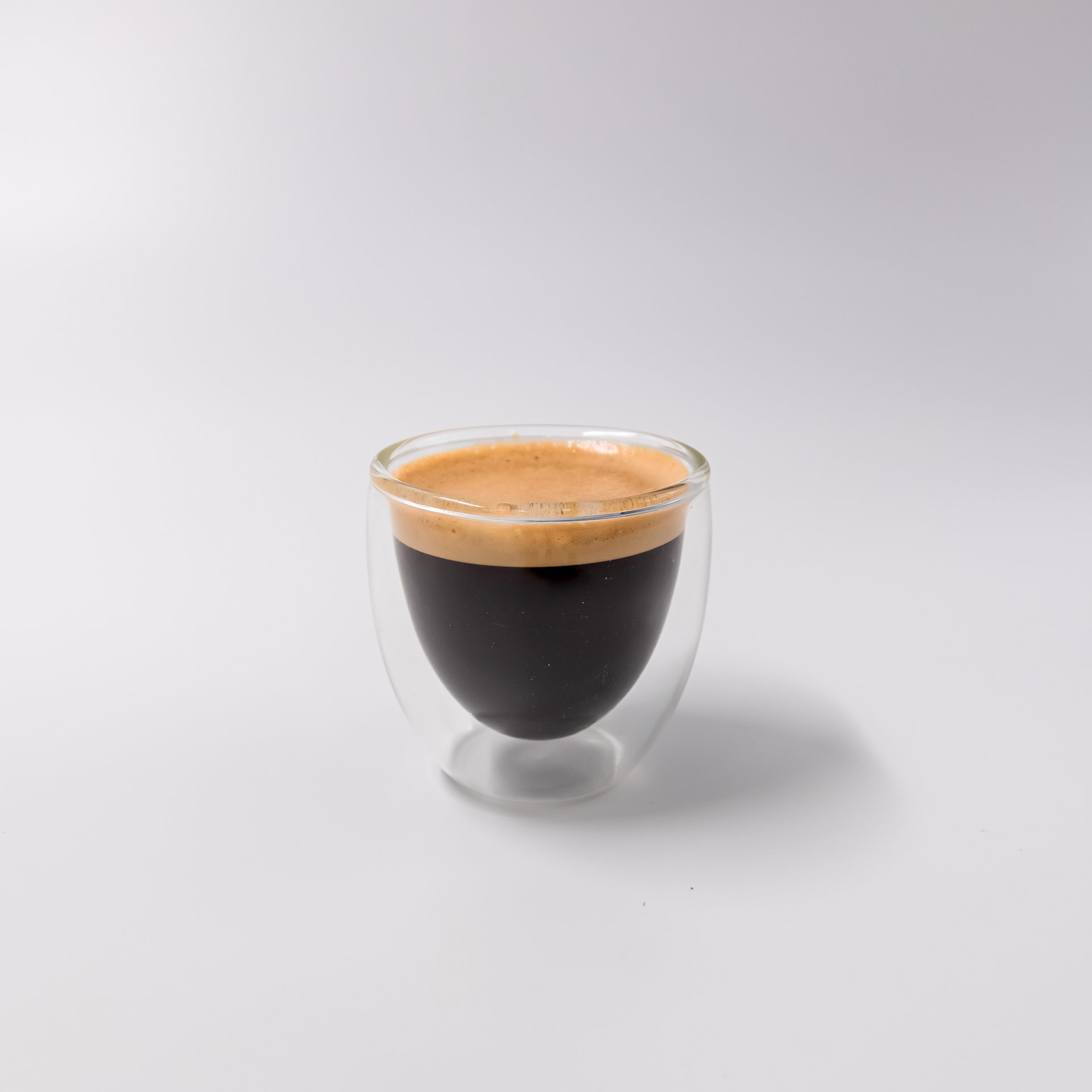
Yes. A 2026 study of 167,142 UK Biobank participants, tracked for a median of 11 years, found that people drinking 2 to 3 cups of unsweetened black coffee daily had a 19% lower risk of cardiovascular disease compared with non-drinkers. Sweetened coffee showed no such protective link, suggesting added sugar — not coffee itself — may be canceling out the benefit.
How reliable is this study?
The study was published June 29, 2026 in the European Journal of Nutrition, titled 'Associations of Unsweetened and Sweetened Coffee and Tea Consumption with Incident Cardiovascular Disease: A Large Prospective Cohort Study,' by researchers from Zhejiang University School of Medicine, the Hangzhou Center for Disease Control and Prevention, and Harvard T.H. Chan School of Public Health.
It draws on UK Biobank, a large long-term health database widely used in medical research worldwide. Researchers followed 167,142 participants who had no cardiovascular disease at baseline, collecting repeated 24-hour diet recalls and tracking health records for a median of 11.1 years. During that period, 14,395 people developed cardiovascular disease.
How much unsweetened coffee gives the biggest benefit?
The results traced a U-shaped curve. People drinking more than 2 and up to 3 daily units of unsweetened coffee had a 19% lower risk of cardiovascular disease compared with non-consumers — the strongest association in the study.
Those drinking more than 3 and up to 5 units per day still had a 14% lower risk, but above 5 units per day, the reduction was no longer statistically significant. In short: moderate intake, not maximum intake, is what tracks with the benefit.
Why didn't sweetened coffee show the same protection?
In the same study, sweetened coffee — with sugar or artificial sweeteners — showed no reduced cardiovascular disease risk at any intake level. Tea followed a similar pattern, with heavily sweetened tea (more than 5 units per day) actually linked to higher risk.
This lines up with an earlier UK Biobank study from April 2026 that found the same pattern, and with the American Heart Association's July 2026 statement that up to 400mg of caffeine per day — roughly 3 to 5 cups of black coffee without additives — is generally safe for most adults and may be linked to lower risk of some cardiovascular conditions.
What's the practical takeaway for your daily cup?
Based on the current evidence, the safest, most beneficial approach is drinking unsweetened black coffee in moderation — roughly 2 to 4 cups a day. If black coffee feels too bitter, choosing a well-roasted coffee with natural sweetness already in the cup makes it far easier to drink it black without reaching for sugar.
Preda Roasting House is proud to bring Thai specialty coffee that's high-quality, clean, and safety-controlled, roasted with science and craft to draw out each bean's natural sweetness — so drinking it black is easy, not a compromise.
Frequently Asked Questions (FAQ)
Q1. Does 'unsweetened coffee' in this study include coffee with milk?
The study specifically looked at added sugar and sweeteners, not milk or cream, so it can't be assumed that coffee with milk but no sugar behaves identically to fully black coffee in this dataset.
Q2. Is drinking too much black coffee harmful?
The study found no added benefit above 5 cups a day, and the American Heart Association recommends staying under roughly 400mg of caffeine daily (about 3 to 5 cups). Moderate intake, not maximum intake, is the takeaway.
Q3. Does coffee with milk but no sugar still offer the benefit?
This study doesn't give a clear answer for milk specifically. The safest approach based on the findings is avoiding added sugar and sweeteners, which is the variable shown to cancel out the protective effect.
Q4. How do I start drinking coffee black if I'm not used to it?
Choose a well-roasted, quality coffee with natural sweetness already built in — light-to-medium roast specialty coffee tends to be easier to drink black without needing sugar to mask bitterness.
Q5. How credible is this study?
It was published in the peer-reviewed European Journal of Nutrition in June 2026 by researchers from Zhejiang University, the Hangzhou Center for Disease Control and Prevention, and Harvard T.H. Chan School of Public Health, using UK Biobank data — a large long-term health database widely used in global medical research.
Reference : https://www.coffeeandhealth.org/health/research/y-ding-et-al-2026-associations-of-unsweetened-and-sweetened-coffee-and-tea-consumption-with-incident-cardiovascular-disease-a-large-prospective-cohort-study-european-journal-of-nutrition