Filtered vs Instant Coffee: Which Slows Aging More?
Last updated: 19 Sept 2026
84 Views
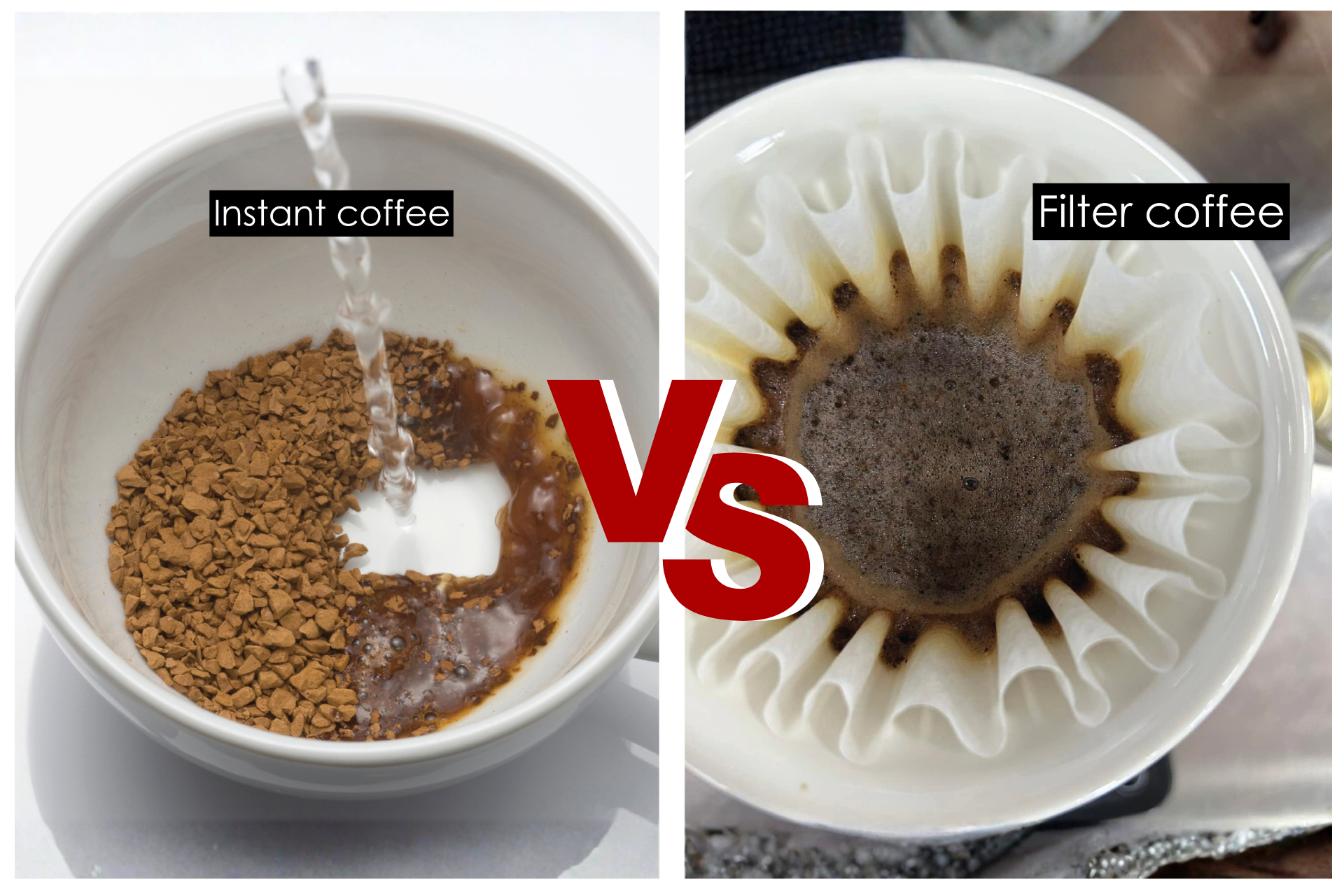
Does Filtered (Drip) Coffee Really Slow Aging? Filtered vs. Instant Coffee, Explained
A 2026 UK Biobank study in npj Science of Food found adults drinking more than 3 cups of filtered (drip) coffee daily had a biological age roughly 0.9-1.1 years younger than non-drinkers, while the same amount of instant coffee was linked to a biological age about 0.17 years older. The finding is observational, not proof of cause and effect.What Did This Study Actually Do, and How Is "Biological Age" Measured?
A research team from Chongqing Medical University in China analyzed data from the UK Biobank, a large long-term health database, covering nearly 50,000 adults (49,414 participants, average age 56.4). The findings were published in npj Science of Food, part of the Nature journal family, on 15 July 2026. This is the first study to specifically separate coffee brewing type from coffee quantity when looking at biological aging.The study measured biological age three ways. The first is relative leukocyte telomere length (rLTL) — telomeres are the protective caps at the ends of chromosomes, a bit like the plastic tips on shoelaces; the shorter they get, the more vulnerable the chromosome becomes with each cell division. The other two measures, KDM-BA Accel and PhenoAge Accel, are composite scores calculated from standard blood test results, estimating whether a person's body is functioning "older" or "younger" than their actual age.
Coffee Tasters Already Knew This Before the Study: The Aroma Difference
Before getting into the numbers, there's something regular coffee drinkers already notice without needing a study to confirm it: the aroma of filtered coffee and instant coffee is clearly different. Filtered coffee releases aromatic compounds naturally present in the bean, freshly released the moment hot water passes through the grounds and paper filter.Instant coffee, on the other hand, often goes through a process called aroma recovery, where volatile aromatic compounds lost during manufacturing (such as spray-drying or freeze-drying) are captured and added back into the powder. Even so, experienced coffee tasters and regular drinkers can usually still tell it isn't quite the same as a fully natural aroma. In a way, this study offers scientific backing for something coffee lovers could already sense — that the sensory difference they notice may reflect a real biochemical difference as well.
What Did the Study Actually Find?
The results split clearly in two directions. People drinking more than 3 cups of filtered coffee (drip, pour-over, or any paper-filtered brewing method) per day had a biological age roughly 0.9 to 1.1 years "younger" than non-coffee-drinkers, depending on which measure was used. Meanwhile, people drinking more than 3 cups of instant coffee per day had a biological age about 0.17 years "older" on one measure — an effect the researchers themselves describe as marginal at the individual level, though the opposing direction is the notable part.A subgroup pattern is also worth noting: among heavy instant coffee drinkers (more than 3 cups/day), men, adults 60 and older, and current smokers showed a clearly higher age-acceleration score than other groups. Among heavy filtered coffee drinkers, men showed a clearly larger reduction in age acceleration than other groups. These subgroup estimates come from smaller samples, so they carry wider uncertainty than the headline numbers.
Why Would Brewing Method Alone Make This Much Difference?
One explanation centers on the paper filter itself, which acts like a checkpoint that traps oils and diterpene compounds such as cafestol — substances found in much higher amounts in unfiltered coffee, including instant and boiled coffee — before they reach the cup. The American Heart Association has previously flagged a link between these compounds and higher LDL cholesterol, a separate thread of evidence pointing the same direction.The study also dug into possible mediating mechanisms. A blood inflammation marker called GlycA (glycoprotein acetylation) statistically explained nearly 35% of the link between instant coffee and faster biological aging. On the filtered-coffee side, a kidney-function marker (cystatin C) and basal metabolic rate (BMR) each explained part of the association with slower aging. The researchers are careful to call these statistical mediators, not proven causal mechanisms.
How Reliable Is This Finding? What Are the Limitations?
The most important limitation is that this is a cross-sectional study — data collected at a single point in time — so it can show association but cannot confirm cause and effect. Coffee habits were also self-reported, which naturally introduces some margin of error, and the sample was overwhelmingly British (91% from England), so results may not translate directly to other populations, including Thai adults with different genetics and diets.That said, the finding gains credibility from the study's sensitivity analyses: the pattern held even after excluding participants with existing cardiovascular disease, cancer, or diabetes, and after excluding people who added sugar, artificial sweetener, milk, or drank decaf. That suggests the difference isn't simply explained by pre-existing illness or by what people add to their cup — brewing method itself appears to matter. Even so, the researchers stress that prospective and intervention studies are needed before this can inform formal dietary guidance.
Is the Occasional Instant Coffee Something to Worry About?
Not really. This study looked at sustained, heavy instant coffee consumption (more than 3 cups per day) at a population level — it isn't a verdict on one instant coffee on a rushed morning with no other option. The instant-coffee effect itself was small at the individual level (roughly 0.1 to 0.2 years), which the researchers themselves called of marginal clinical significance — in plain terms, not something to be alarmed about.What this study does suggest is that, when there's a choice, consistently brewing coffee through a paper filter may be a small daily habit that adds up to a more favorable long-term profile than the numbers alone might suggest.
Want to Start Brewing Filtered Coffee at Home? Where to Begin
Preda Roasting House is a specialty coffee roaster that roasts fresh beans specifically for home brewing methods like drip and pour-over, not for instant coffee — which lines up naturally with what this study points to: good coffee isn't just about whether you drink it, but how it's brewed. For anyone new to brewing at home, House Blend and Original Blend are approachable, everyday options designed for daily drip brewing.
If you're unsure where to start — coffee-to-water ratio, water temperature, or pouring rhythm — Preda has a detailed home pour-over guide covering the basics. It only takes about 3 to 5 minutes per cup, and no expensive equipment is required to get started.
Frequently Asked Questions (FAQ)
Q1. Is filtered coffee the same as drip coffee?Yes. In this study, "filtered coffee" refers to any coffee brewed through a paper filter — drip, pour-over, or filter-based coffee makers — distinct from instant or boiled coffee, which never passes through a paper filter.
Q2. Why might instant coffee be linked to faster biological aging?
The study found a blood inflammation marker (GlycA) was elevated in heavy instant coffee drinkers, and it statistically explained nearly 35% of the link with faster biological aging. Still, the overall effect was small at the individual level.
Q3. Does adding milk or sugar change these results?
Not significantly. The study's sensitivity analyses found the pattern held even after excluding people who added sugar, artificial sweetener, or milk, or who drank decaf.
Q4. Is it dangerous to drink instant coffee occasionally?
No. This study looked at sustained heavy consumption (more than 3 cups per day) at a population level. The individual-level effect of instant coffee was small, so occasional instant coffee isn't something to worry about.
Q5. Does this study prove filtered coffee makes people live longer?
No, not yet. This is a cross-sectional, observational study, which can only show association, not direct cause and effect. Prospective and intervention studies are needed before drawing firmer conclusions.


Related Content
A 2026 UK Biobank study of 167,142 people found unsweetened coffee lowers cardiovascular risk — sweetened coffee doesn't. Here's what it means for your cup.

A new Nature Communications study finds both caffeinated and decaf coffee lower stress, depression, and impulsivity by reshaping the gut microbiome. Here's what the research actually shows.
aroma จากการคั่วนั้นได้จากสารประกอบมากมายหลายชนิด ไม่ว่าจะเป็นกลุ่มที่เกี่ยวกับการเปลี่ยนแปลงของคาร์โบไฮเดรต การเปลี่ยนแปลงของพวก Lipid
