ทําไมข้างในของถั่วเข้มขึ้นในขณะที่ข้างนอกนั้นเบาขึ้น ทําให้เกิดรสชาติที่ไม่สมดุล?
อัพเดทล่าสุด: 28 ก.พ. 2026
952 ผู้เข้าชม

ทำไมคั่วกาแฟแล้ว “ข้างในเข้ม ข้างนอกอ่อน” จนรสชาติเพี้ยน? ไขปริศนาด้วยหลักการถ่ายเทความร้อน
หลายคนอาจเคยเจอปัญหาที่น่าปวดหัว: คั่วกาแฟออกมาแล้วสีดูสวย แต่พอชิมกลับมีทั้งรสเปรี้ยวฝาดแบบกาแฟไม่สุก (Underdeveloped) และรสขมไหม้ (Ashy) ผสมกันอย่างน่าประหลาด เมื่อกะเทาะเมล็ดดูจึงพบว่า เนื้อข้างในเมล็ดเข้มกว่าผิวข้างนอก ซึ่งขัดกับตำราส่วนใหญ่ที่บอกว่าถ้าอัดไฟแรง ผิวข้างนอกต้องไหม้ก่อนสิ!
บทความนี้จะพาไปดูคำถามจากทางบ้าน และคำตอบที่จะเปลี่ยนความเข้าใจเรื่องการคุมความร้อนของคุณไปตลอดกาลคำถามจากทางบ้าน: เครื่องคั่ว Infrared ทำให้ข้างในไหม้ก่อนจริงหรือ?
คำถามจากผู้อ่าน: "ผมใช้เครื่องคั่วขนาดเล็กระบบ Infrared Ceramic (Kaleido Sniper M2) เจอปัญหาคือข้างในเมล็ดไหม้ดำ แต่ผิวข้างนอกดูปกติ ไม่มีรอยไหม้ (Scorching) หรือรอยกระเทาะ (Chipping) เลย
ในถ้วยกาแฟ ผมได้รสเปรี้ยวจากผิวข้างนอกที่พัฒนาไม่เต็มที่ และรสขมไหม้จากข้างในที่สุกเกินไป ผมสงสัยว่าเป็นเพราะแหล่งพลังงานแบบแผ่รังสี (Radiation) หรือเปล่าที่ส่งความร้อนทะลุไปไหม้ข้างในก่อน? แล้วผมควรคุมไฟอย่างไรดี?"
คำตอบจากผู้เชี่ยวชาญ: พลังงานรังสีไม่ใช่จำเลยหลัก โดยปกติแล้ว การแผ่รังสี (Radiation) ไม่ได้ส่งความร้อนไปที่ใจกลางเมล็ดได้มากกว่าผิวชั้นนอก พลังงานความร้อนไม่ว่าจะมาจากแหล่งใด (นำความร้อน, พาความร้อน หรือแผ่รังสี) "ต้องผ่านผิวชั้นนอกเข้าไปก่อนเสมอ"
ดังนั้น สาเหตุที่ข้างในเข้มกว่าข้างนอก ไม่ได้เกิดจากชนิดของความร้อน แต่มักเกิดจาก "การสูญเสียความร้อนในช่วงท้ายของการคั่ว"
สาเหตุที่แท้จริง: เมื่อผิวเมล็ดถูก "ขโมย" พลังงาน (Heat Loss) ปรากฏการณ์ "ข้างในเข้ม-ข้างนอกอ่อน" มักเกิดขึ้นเมื่ออุณหภูมิภายในถังคั่ว (Environment Temperature) ดรอปลงอย่างรวดเร็วในช่วงท้ายของการคั่ว
เช่น: การเร่งลม (Airflow) มากเกินไป: จนทำให้อุณหภูมิอากาศเย็นลงกว่าอุณหภูมิของตัวเมล็ด การตัดไฟเร็วเกินไป: จนไม่มีพลังงานประคองในช่วงพัฒนาเมล็ด (Development Time) กระบวนการที่เกิดขึ้นคือ: เมื่ออากาศในถังคั่วเย็นลงกว่าเมล็ด มันจะเริ่ม "ดึงความร้อนออกจากผิวเมล็ด" ทำให้การพัฒนาสี (Browning Reaction) ที่ผิวชั้นนอกหยุดชะงักหรือเดินช้าลงมาก ในขณะที่ ใจกลางเมล็ด ยังมีความร้อนสะสมสูงอยู่ และยังไม่สูญเสียความร้อนออกไป (หรือเสียช้ากว่า) ทำให้ปฏิกิริยาเคมีข้างในยังดำเนินต่อไปอย่างรวดเร็ว
ผลลัพธ์: ข้างในจึงสุกจนไหม้ (Darker) ในขณะที่ข้างนอกถูกสตาฟไว้ให้สีอ่อน (Lighter)
วิธีแก้ไขและปรับ Profile การคั่ว หากคุณพบปัญหานี้ ลองปรับเปลี่ยนแนวคิดการให้พลังงานดังนี้:
อย่าโหมไฟช่วงท้าย: การอัดไฟแรงจัดก่อนเข้า First Crack แล้วดรอปไฟ/เร่งลมพรวดพราดในช่วงท้าย คือสาเหตุหลักของปัญหานี้ ให้พลังงานสูงช่วงต้น: ลองปรับมาใช้พลังงานที่สูงตั้งแต่ช่วงเริ่ม (Bean-in) เพื่อสะสมความร้อนให้เมล็ดมีแรงส่ง แล้วค่อยๆ ผ่อนไฟลงอย่างนุ่มนวล (Gradual Decline) เพื่อรักษาอุณหภูมิถังคั่วไม่ให้ดรอปจนดึงความร้อนคืนจากเมล็ด คุม Airflow ให้เหมาะสม: การเปิดลมเพื่อไล่ควันเป็นเรื่องดี แต่ต้องระวังไม่ให้ลมนั้นไป "แช่แข็ง" การพัฒนาของผิวเมล็ดกาแฟ
สรุป การคั่วกาแฟให้สมดุล (Balanced Flavor) คือการทำให้ข้างในและข้างนอกสุกไปพร้อมๆ กัน หากสีมีความต่างกันเกินไป รสชาติที่ได้จะเป็น "ความขัดแย้งในถ้วยเดียว" การเข้าใจเรื่องการรักษาอุณหภูมิในช่วงท้ายจะช่วยให้คุณก้าวข้ามจากนักคั่วทั่วไป สู่การเป็น Roastmaster มืออาชีพครับ
--------------------
Why Is the Inside of the Bean Darker While the Outside Is Lighter, Causing an Unbalanced Flavor?
A reader asked:
Reader: “I would like to ask about coffee roasting. I bought your book and tried following it, but I have some questions.
I’m using a Kaleido Sniper M2 roaster. I tried to control the heat after the drying phase to reach first crack at my planned target. However, the coffee came out burned inside.
From my understanding, in a typical gas drum roaster, if we push too hard, the outer surface would burn first — causing chipping or scorching.But what I experienced was different. When I increased the heat toward the end, the inside of the bean burned, while the outside looked normal with no visible surface defects.
So I would like to ask whether this could be because the heat source of this machine is infrared ceramic, which provides heat in the form of radiation. Could it be that it burns the inside before the outside is fully cooked?
And if that’s the case, how should I think about controlling the energy?
The darker color starts from the center of the bean and moves outward toward the edges.
In the cup, I get sourness from the less-developed outer layer and bitterness from the burned inner part.
But when I adjusted the profile — instead of pushing hard before first crack, I applied more energy from bean-in and then gradually eased off toward the end — the internal burning became less severe.
It just feels unfamiliar compared to what most textbooks and online sources say, which usually explain that if you push hard, the outside should burn before the inside.”
--------------------
My reply:
In general, radiation does not transfer heat to the inside more than to the outside. In any case, the heat must pass through the outer surface first.
For cases where the outer surface is lighter in color than the inner part, we often see this when there is heat loss in the roasting chamber toward the end of the roast — for example, when airflow is increased and the overall heat drops.
When the hot air temperature becomes lower than the bean temperature, it starts pulling heat out of the bean.
The bean begins losing heat from the outer surface first.
As a result, the rate of browning development slows down. The color progression on the surface moves more slowly.
Meanwhile, the inside has not yet lost heat (or loses heat later), so browning development continues at a faster rate there.
Eventually, the inside becomes darker while the outside remains lighter, and the flavor becomes unbalanced as described.
This kind of issue can also occur with manual drum roasters. Some roasters open the airflow wide near the end of the roast. Others cut the heat in the final stage and increase airflow — perhaps to clear smoke or because they have a certain flavor idea they expect to achieve.
Reader:
“Thank you very much. I will try adjusting based on this.”
บทความที่เกี่ยวข้อง
เมื่อกาแฟแห้งขึ้น เราก็ต้องปรับโปรไฟล์ตาม... เพื่อให้อร่อยและสวยงามเหมือนเดิม
สารกาแฟท้ายปีอาจจะมีคุณสมบัติทางกายภาพเกี่ยวกับความชื้นเปลี่ยนไปบ้าง
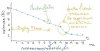
ก่อนอื่น ผมอยากขอบคุณทุกข้อความและ comment ที่เพื่อนๆส่งมาเป็นกำลังใจนะครับ พอมีคนบอกว่าอ่านรู้เรื่อง
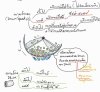
ฟังมาจากหลายทางว่าเดี๋ยวนี้นักคั่วรุ่นใหม่หันมาเล่น Low air flow กันเพราะเชื่อว่าจะช่วยเพิ่มการนำความร้อน (Conduction heat transfer)
