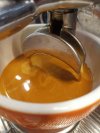
What Is Gesha Mosto? Meet Manipruek Catimor from Nan, Fermented with Gesha Coffee Liquid
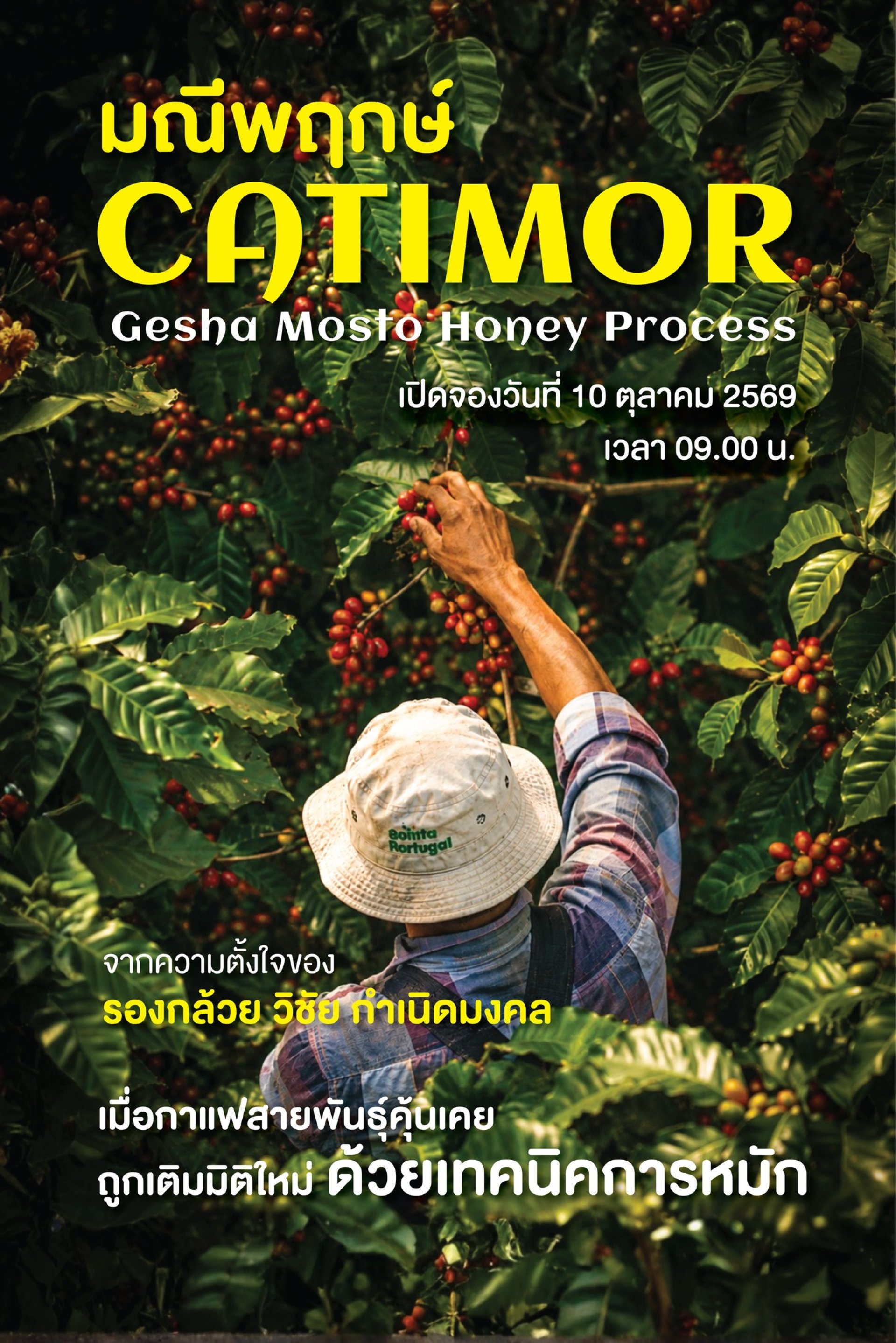
Gesha Mosto means using the fermentation liquid ("mosto") from a batch of Gesha coffee, rich in microbes and fermentation compounds, as a starter for a new batch. For this coffee, producer Wichai "Rong Kluay" Kamnerdmongkol of Ban Manipruek, Nan, Thailand applied it to Honey Process Catimor, creating a light roast with citrus, grapefruit, lemon, mandarin, honey sweetness and floral notes.
What is mosto in coffee processing?
Mosto is Spanish for fresh fruit juice before it fully ferments, the same idea as "must" in winemaking. In coffee, it's the liquid produced while coffee cherries ferment, full of yeasts, bacteria, sugars and acids.
Instead of discarding it, producers save it and add it to the next fermentation, much like a sourdough starter. This triggers biochemical changes that build more complex, interesting flavors. The key decisions: which coffee the mosto comes from, and which coffee it goes into.
Why use Gesha mosto on Catimor?
Catimor is one of the most widely grown varieties in northern Thailand, including around Ban Manipruek in Nan province. Gesha is famous for its floral, vibrant character. Rong Kluay set out to add new flavor dimensions to a familiar local variety by combining Gesha mosto with the Honey Process.
How do Honey Process and Gesha Mosto work together?
In Honey Process, the cherry skin is removed but the sugary mucilage stays on the bean during fermentation and drying, which tends to boost sweetness. Adding Gesha mosto during fermentation lets its microbes and compounds work with those sugars to add flavor detail.
What makes or breaks a Gesha Mosto coffee?
This isn't a case of adding liquid and hoping for the best. Rong Kluay's team had to be meticulous at every step:
- Cherry selection only genuinely high-quality cherries.
- Careful floating and pulping removing defective beans.
- Clean equipment even the cleanliness of the pulper and containers affects quality, since fermentation is sensitive to unwanted microbes.
- Close monitoring and the confidence to stop fermentation at the right moment.
What does Manipruek Catimor : Gesha Mosto taste like?
A light roast with bright, clear flavor: a strong citrus line of grapefruit, lemon and mandarin, honey-like sweetness, and a floral aroma that rounds out the cup.
CitrusHoneyGrapefruitLemonMandarinFloral
| Coffee | Manipruek Catimor : Gesha Mosto |
| Origin | Ban Manipruek, Nan, Thailand |
| Producer | Wichai "Rong Kluay" Kamnerdmongkol |
| Variety | Catimor |
| Process | Honey Process (Gesha Mosto) |
| Roast | Light roast only roasted by Pa Nok at Preda Roasting House |
| Taste Notes | Citrus, Honey, Grapefruit, Lemon, Mandarin & Floral |
| Price | 100 g / 350 THB 200 g / 600 THB |
| Pre-order opens | October 10, 2026, 9:00 AM (Thailand time) |
Why did Preda Roasting House choose this coffee?
For Preda Roasting House, what stands out isn't only the flavor, but a farmer's creativity in continually developing what he already has. Rong Kluay shows that a familiar variety like Catimor can deliver a new experience when you understand the process and dare to experiment.
Pre-order opens Oct 10, 2026 at 9:00 AM
Manipruek Catimor : Gesha Mosto light roast only, 100 g 350 THB / 200 g 600 THB
Frequently Asked Questions
What is Gesha Mosto?
It's the fermentation liquid from Gesha coffee, containing microbes and fermentation compounds, used as a starter to ferment another coffee lot for added flavor complexity.
How is mosto different from regular fermentation?
Regular fermentation relies on naturally present microbes. Mosto fermentation adds liquid from a previous batch, giving the producer more control over flavor direction.
Does this coffee contain Gesha beans?
No. The beans are 100% Catimor. Only the fermentation liquid (mosto) comes from Gesha, used during the Honey Process.
Is it available in medium or dark roast?
No. Manipruek Catimor : Gesha Mosto is light roast only, to showcase its citrus, honey and floral notes.
When and how much?
Pre-orders open October 10, 2026 at 9:00 AM. 100 g is 350 THB and 200 g is 600 THB from Preda Roasting House.
Story by P'Kee · Preda Roasting House, Lampang, Thailand