Fixing Over-Fermented, Alcoholic Notes in Dry-Process Roasts
Last updated: 4 Aug 2026
318 Views
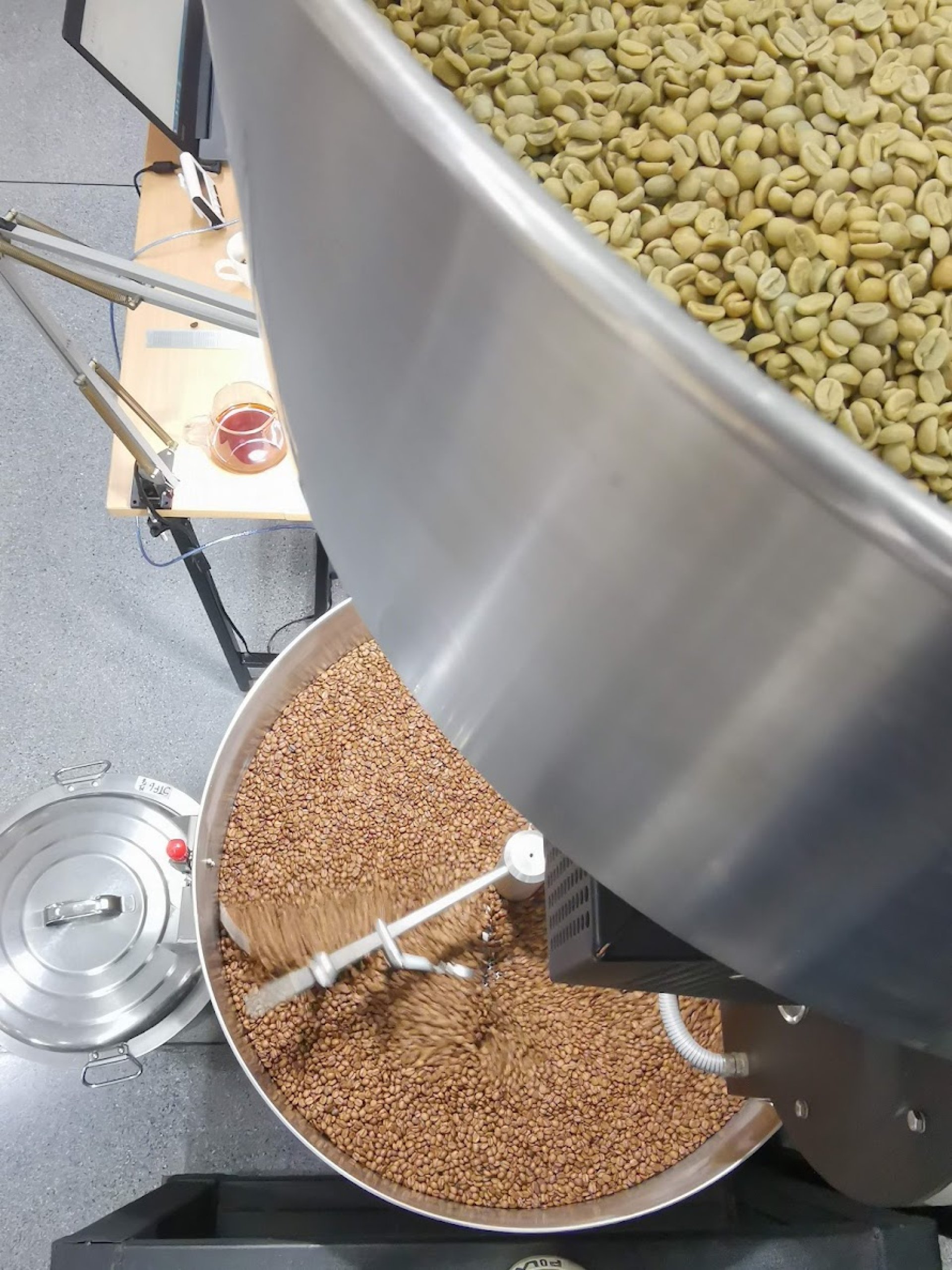
Why Dry-Process Coffee Is Prone to Alcoholic, Over-Fermented Aromas
After farmers harvest and clean the cherries, many will ferment the coffee — either in open (aerobic) or closed (anaerobic) tanks — to enhance specific flavor notes. Anaerobic fermentation in particular, with its low-oxygen environment, generates both acids and alcohols, which become the starting point for fruity, berry-like, or exotic aromas.Dry-process coffees generally carry higher fermentation intensity and higher sugar content than washed or honey coffees. That means their chemical reactions during roasting progress faster — visible in how quickly the beans brown. This is why dry-process coffees are rarely roasted to medium-dark or dark levels in specialty contexts; doing so risks strong bitterness and heavy roasty notes.
What Are Esters, and How Do They Relate to Coffee Aroma?
Esters formed during fermentation sit in the green bean before roasting. Once roasting begins and the coffee passes first crack, these esters volatilize and transform with heat, shifting from one aroma to another — a berry-forward coffee, for example, might move from fresh berry to juicy ripe berry to overripe berry. Roast too deep, and these special notes disappear entirely, leaving only generic aromatic compounds typical of medium-to-dark roasts.Most of this aroma transformation happens during the development phase, roughly 0:30–1:50 after first crack — the window where a roaster has the most influence over which direction the aroma goes.
5 Practical Roast-Profile Adjustments to Reduce Over-Fermented Notes
1) Avoid roasting too deep. Keep the roast color above 70 to preserve fruit complexity and avoid the bitterness that comes with darker roasts.2) Keep development temperature within light-roast range, roughly a 12–14°C rise (this varies by roaster — use the physical appearance of the roasted beans to calibrate).
3) Target a development time of 1:10–1:25 minutes — the safe zone for clean aroma, balanced sweetness, and appropriate body.
4) If you get strong alcoholic or overripe notes — night-blooming flowers, jackfruit, overripe durian — shorten the development time. This automatically yields a slightly lighter roast with brighter, cleaner aromatics.
5) If the cup lacks juiciness or sweetness, extend development time by 10–15 seconds while lowering the heat to keep the same development-temperature delta.
Why Dry-Process Coffee Needs Extra Care Compared to Washed or Honey
Because dry-process coffee carries more accumulated sugar and a higher fermentation level, its chemical reactions during roasting happen faster. Applying stronger heat while shortening development time keeps the roast level consistent while shifting the aroma from overripe/alcoholic toward bright, easy-drinking fruit — without having to sacrifice good coffee to this problem.Frequently Asked Questions (FAQ)
Q1. What causes alcoholic notes in coffee?
They come from ester compounds formed during fermentation, particularly anaerobic fermentation, which produces both acids and alcohols in the process.
Q2. How dark should dry-process coffee be roasted?
Avoid roasting too deep — keep the roast color above 70. Darker roasts risk increased bitterness and overly heavy roasty notes.
Q3. What’s the ideal development time for dry-process coffee?
Roughly 1:10–1:25 minutes — the safe zone for clean aroma and balanced sweetness.
Q4. Why is dry-process coffee more prone to over-fermented notes than washed coffee?
Because dry-process coffee has higher fermentation levels and more accumulated sugar, causing faster and more intense chemical reactions during roasting.


Related Content
ไอ้ผมก็สงสัยว่าแค่ไหนเรียก fast แค่ไหนเรียก slow? เพราะสมัยก่อนที่เขาคั่วกันเนี่ย fast กับ slow นี่มันต่างกันชัดเจนมากอยู่นะ อย่างเครื่องคั่ว Drum Roaster
Trying to prolong the Maillard phase in the hope of increasing complexity or flavor profiles, but why does the result turn out the opposite?

#SignsOfFireRisk วันนี้เอาประสบการณ์มาเล่าสู่กันฟังครับเพื่อนๆน้องๆนักคั่วกาแฟคงจะเคยมีประสบการ "เฉียด" กันมาบ้างไม่มากก็น้อย เรื่องฟืนไฟนี่เป็นของคู่กันกับงานคั่วครับ ซึ่งความเสียหายอาจเกิดมากได้เลยถ้าเราไม่สามารถจัดการกับปัญหาได้ทันการณ์
