From Microbes to Cup: How Yeast Transforms 'Coffee Mucilage' into Exquisite Aromas
Last updated: 17 Feb 2026
1019 Views
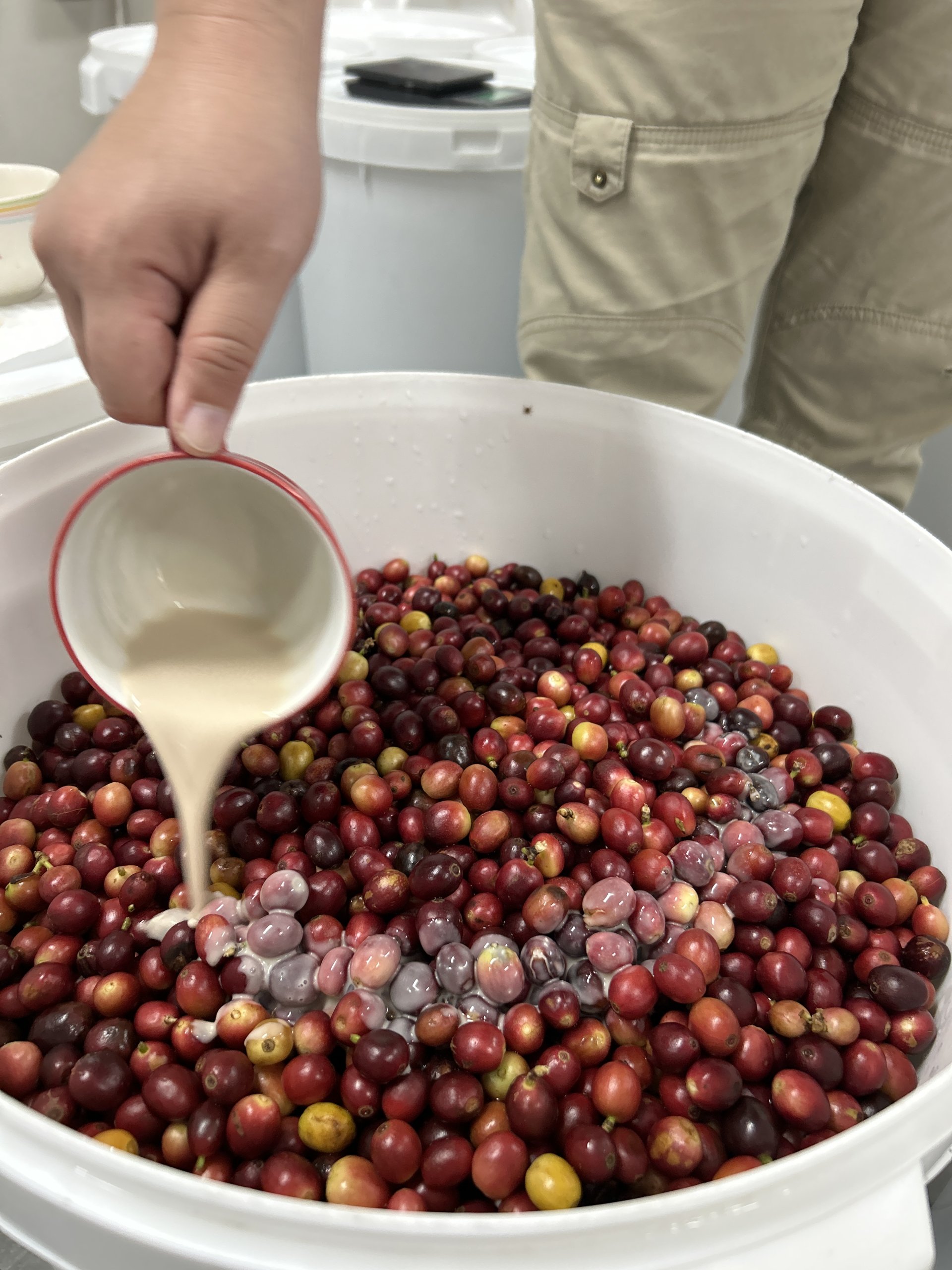
From Microbe to Cup: How Yeast Transforms Coffee Mucilage into Heavenly Aromas
Have you ever wondered why some coffees possess the fragrance of wild flowers or the refreshing acidity of tropical fruits, even though they all come from the same type of bean?The answer doesn't lie in the variety alone, but in the "tiny chemical factories" we call Yeast. These microorganisms act as behind-the-scenes artisans in the fermentation tank. Today, we’re diving deep into the mechanics of how yeast transforms ordinary coffee into Specialty Coffee.
1. The Energy Accumulation Phase: When Yeast Wakes Up
The moment yeast encounters moisture and nutrients from the coffee mucilage, it enters Aerobic Respiration mode. In this phase, yeast rapidly pumps out energy and multiplies. It breaks down complex carbohydrates and starches in the mucilage into "simple sugars," preparing itself for the next critical move.
2. Fermentation Mode: The Birth of Aromas (Esters)
As oxygen in the tank is depleted, yeast immediately switches to Fermentation (Anaerobic Respiration). To survive, it "consumes" glucose and fructose, leaving behind precious by-products:
Alcohol and Carbon Dioxide.
Esters: The key compound responsible for floral and fruity aromas, which permeate and accumulate deep within the coffee beans.
3. Organic Acid Production: The Secret to "Brightness"
During fermentation, yeast produces more than just alcohol; it creates various Organic Acids, such as:
Citric Acid: Provides a refreshing, citrus-like crispness.
Lactic Acid: Offers a smooth, creamy mouthfeel.
Malic Acid: Delivers a sweet-tart acidity reminiscent of apples.
These acids gradually lower the pH level in the tank, resulting in a remarkable Brightness and a more complex flavor profile.
Caution: The Thin Line Between "Exquisite" and "Spoiled"
Despite being brilliant chemical factories, yeast requires careful management. Processors must strictly control temperature, pH levels, and nutrient availability. If fermentation is allowed to go too long and hits a critical pH level, the yeast will die, leading to Over-Fermentation, which creates unpleasant, vinegar-like, or "funky" odors instead.
In Summary: Understanding yeast mechanics is the heart of "Flavor Design." Yeast is not just a tool for breaking down mucilage; it is the artist that infuses "natural perfume" into every pore of the coffee bean.


Related Content
คำถามที่ถามกันมาตลอดก็คือ รา ยีสต์ แบคทีเรีย นี่มันต่างกันยังไง?

#Epilogueเชอรี่ที่สมบูรณ์ หรือผลกาแฟที่สมบูรณ์คือจุดเริ่มต้นที่จำเป็นก่อนจะนำไปแปรรูปเป็นสารกาแฟหรือ green bean ที่โรงคั่วกาแฟนำไปคั่วจำหน่ายกัน

เพิ่มคุณภาพสารกาแฟ = เพิ่มมูลค่าสารกาแฟ
ไฟล์ PDF สำหรับดาวน์โหลดเพื่อเผยแพร่ แบ่งปันให้กับเกษตรกรและนักแปรรูปทุกท่าน
