Q&A: Why Does My Light Roast Pour-Over Taste Bitter? (Causes & Fixes)
Question: My light roast coffee tastes bitter at the end of the sip. How can I fix this?
Answer: Bitterness in light roast coffee can stem from several factors beyond just the roast level. Here are the 4 primary reasons:
1. Over-Extraction
If the coffee is ground too fine, water flows through the bed too slowly, staying in contact with the grounds for too long. This extracts unwanted bitter compounds.
The Fix: Adjust your grinder to a slightly coarser setting.
2. Uneven Roasting
If the roast is inconsistent or certain beans are roasted too dark within the batch, those over-roasted parts will introduce bitterness.
The Fix: Ensure a more precise and consistent roasting profile.
3. Under-Developed Roast
Sometimes, coffee is roasted so light that the core of the bean hasn't "developed" properly. This can result in a harsh, astringent bitterness from Quinic Acid and Caffeine that has just begun to break down.
The Fix: Adjust the roasting profile to allow for adequate development time.
4. Poor Processing
Issues during the initial processing at the farm—such as over-fermentation—can create chemical compounds that taste inherently bitter.
Pro-Tips for Home Brewers
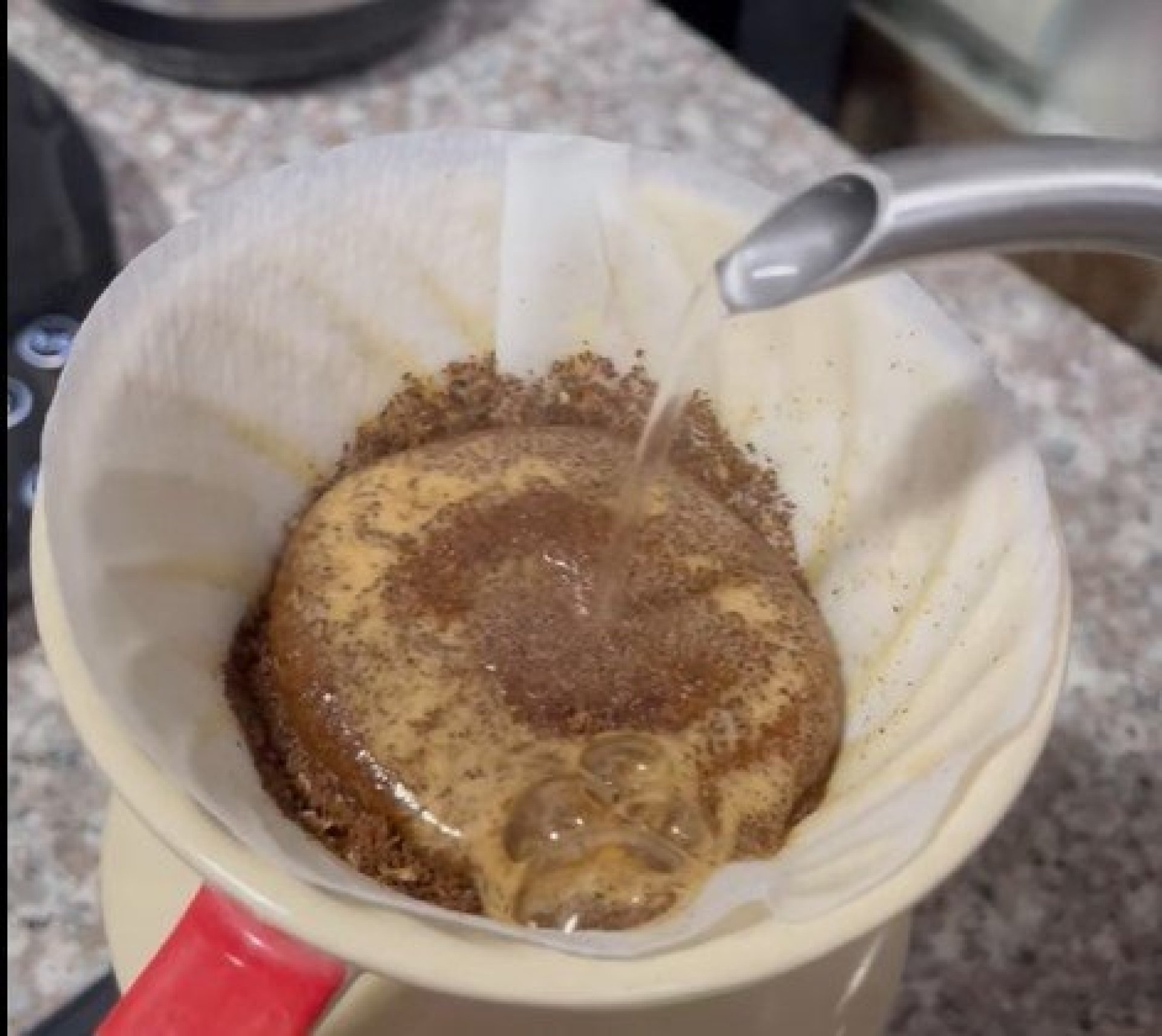
If you encounter bitterness, start by adjusting your brewing variables first:
1. Lower the Water Temperature: High heat can extract bitterness faster.
2. Coarsen the Grind: This speeds up the drawdown time and reduces extraction.
Expert Insight from Preda: "If the bitterness persists after adjusting your brew, it’s time to analyze deeper whether the issue lies in the roast development or the processing of the green beans. Fix the root cause for the best cup!"